

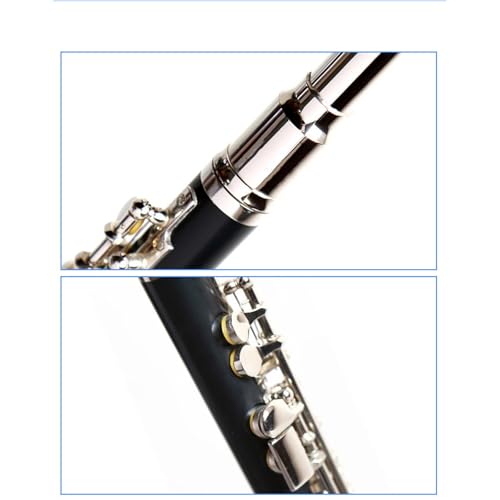
Piccolos are a captivating woodwind instrument known for their bright, clear sound. Whether you’re an aspiring musician or an advanced player, understanding the different sizes, types, and care for your piccolo enhances your playing experience. In this guide, we will explore the benefits of piccolos, offer insights into various models, and provide care tips to help you maintain your instrument.
Understanding Piccolos: Sizes and Types
Piccolos are typically smaller than flutes, measuring about 32–35 cm in length. Their compact size contributes to their unique sound—sharp and penetrating. Most commonly, piccolos come in a C key, but variations exist such as D and G key piccolos for those seeking different tonal ranges.
When selecting a piccolo, consider the material it’s made from. Options include wood and plastic, with ABS (Acrylonitrile Butadiene Styrene) piccolos being a popular choice for beginners due to their durability and cost-effectiveness. Wooden piccolos are often preferred by professionals for their rich tonal quality despite requiring more maintenance.
Featured Piccolos to Elevate Your Playing
Flute C Key Silver Plated Piccolo Musical Instrument ABS Body Black Piccolo With Light Box

This piccolo is designed for musicians seeking excellent pitch and tone. Made from durable ABS material with a striking silver-plated finish, it offers a rich tone perfect for any performance setting. The included light box is ideal for storage and transport, ensuring your instrument stays safe and sound.
Bnineteenteam C Key Piccolo Flute

Engineered for accuracy, the Bnineteenteam C Key Piccolo Flute features CNC machined blow holes, making it an excellent choice for both students and professional performances. Its construction boasts a combination of copper and high-quality materials, ensuring a reliable performance and beautiful sound.
Care Tips for Your Piccolo
Maintaining your piccolo is crucial for preserving its quality and extending its lifespan. Regular cleaning after use is essential to prevent moisture buildup that can damage the pads and tone holes. Use a cleaning rod and cloth specifically designed for woodwind instruments to keep the inside dry and clean.
Additionally, store your piccolo in a suitable case, ensuring it’s protected from extreme temperatures and humidity. It’s also crucial to periodically check for mechanical issues or wear and tear, especially if you play frequently. Proper care will enhance your piccolo’s performance and ensure it serves you well for years to come.
In conclusion, whether you’re just starting or have a considerable playing experience, choosing the right piccolo can significantly enhance your musical journey. Consider the models highlighted above for superior sound quality and ease of use, and remember to care for your instrument diligently. Happy playing!